What is the correct time for umbilical cord clamping? In the early 1900's obstetric practitioners shifted from the early (20-30 sec) to delayed (approx 3 mins) umbilical cord clamping. It is not understood why modern practitioners has reverted to the early cord clamping but many speculated that with hospital overcrowding and need to get mothers out of the labour room quickly may be a factor. Some may say it prevents polycythemia in newborns but despite what the reason may be, there is no evidence that early cord clamping is beneficial to both mother and child (WHO).
The World Health Organisation (WHO) started campaigning for the practice of late cord clamping in the effort to improve maternal and child nutrition, health and development. Posted below are some facts to justify this practice:
1. 40 ml per kg of placental blood transferred to the infant after a delay in clamping of at least 3 minutes.
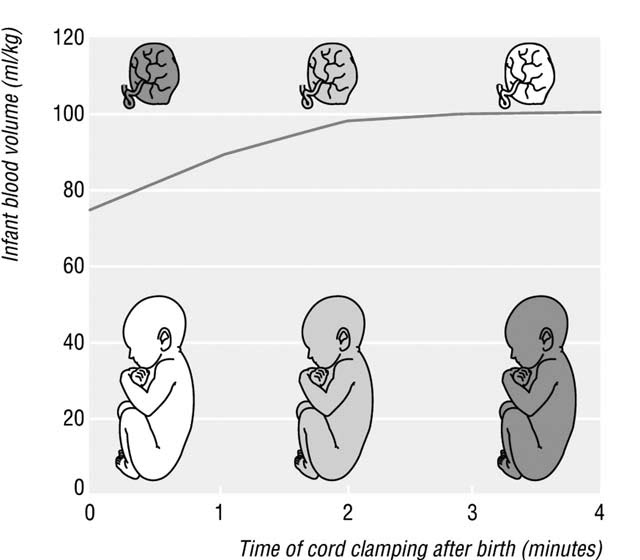 |
| Reproduced from van Rheenen, P. F et al. BMJ 2006;333:954-958 with permission from the BMJ Publishing Group. - http://www.paho.com/ |
2. Below chart outlines the short term and long term benefits of delay cord clamping (PAHO):
 |
| PAHO - CA - Beyond Survival - http://www.paho.org/ |
The current method practice, obstetric practitioners cut the cord within seconds of birth. The cord is usually milked to remove as much maternal blood within the cord for the newborn. While this may contribute to an increase in blood supplied to the newborn, research has shown that the umbilical vein continuously receive blood from the placenta within the first 3 minutes of birth. Thus with delay cutting of the cord, for approximately 3 minutes, can significantly reduce the chances of anemia in the new born and thus decrease the need for risky blood transfusion.
I remembered during my clinical training in Obstetrics, one of my colleagues was placed on antiretroviral medication because she was exposed to the patient blood during the cutting of the cord. Within those 3 minutes after birth, the cord is distended with blood and still pulsatile, thus there is a risk of having spillage of blood from the cord. Waiting until the cord is relaxed and there is no pulsation can further protect the practitioner from becoming expose.
So is this a common practice in your facility?
For more information on Delay Cord Clamping practices please visit http://www.paho.org/


